The emotional centre of Living Play
Every Memory Can Preserve a Tradition.
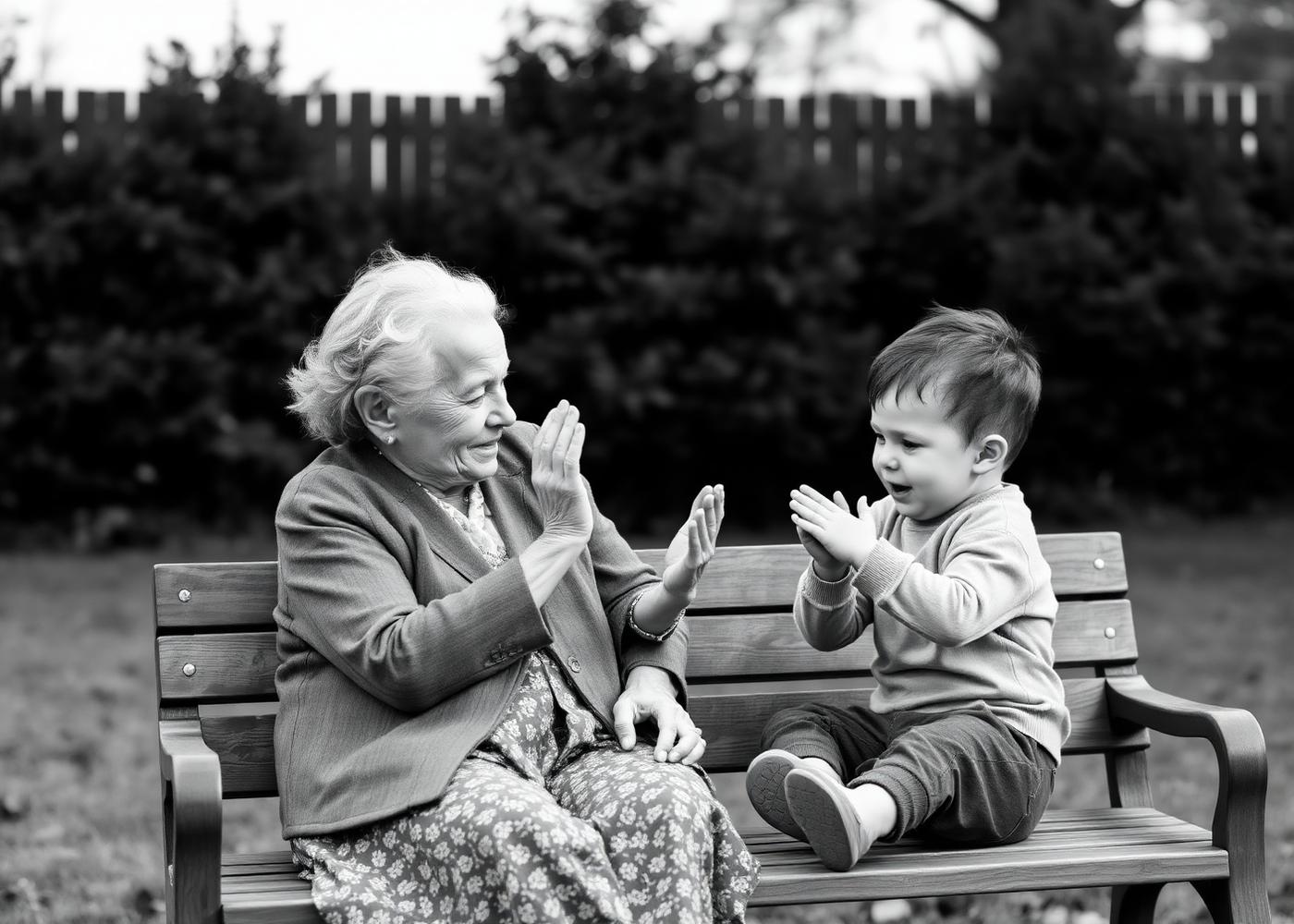
An interview with a parent, grandparent, neighbour or elder can preserve something that has never been written down. This page is a gentle guide to asking, listening and sharing.
Interview guide
Ten questions to begin with.
- 01What games did you play as a child?
- 02Where did you play them?
- 03Who taught you?
- 04What did you call the game?
- 05Were there songs, chants or special words?
- 06What equipment did you use?
- 07Did different streets, schools or villages use different rules?
- 08Were some games played only during particular seasons?
- 09What memories or feelings do you associate with the game?
- 10Do children still play it today?
Considerations
Recording with care.
Consent
Ask permission before recording, photographing or sharing anything a person tells you. Consent can always be revised or withdrawn.
Recording
Audio and video are optional. Written notes with the person's own words are already valuable.
Cultural boundaries
Some traditions belong to specific communities or occasions. Respect what is not meant to be shared publicly.
Language and regional names
Record the original words, spellings and pronunciations. Translation is a second step, not a replacement.
Memory and reconstruction
Note clearly which rules the person remembers and which are being reconstructed from partial recall.
Contribute
Share a play memory.
Submissions enter moderation before any consideration for publication. You may withdraw a submission at any time. We will contact you if we need additional context or consent for further use.
This form is a preview. Public submissions will be enabled once the Living Play archive launches.