Dexterity gameSample Record
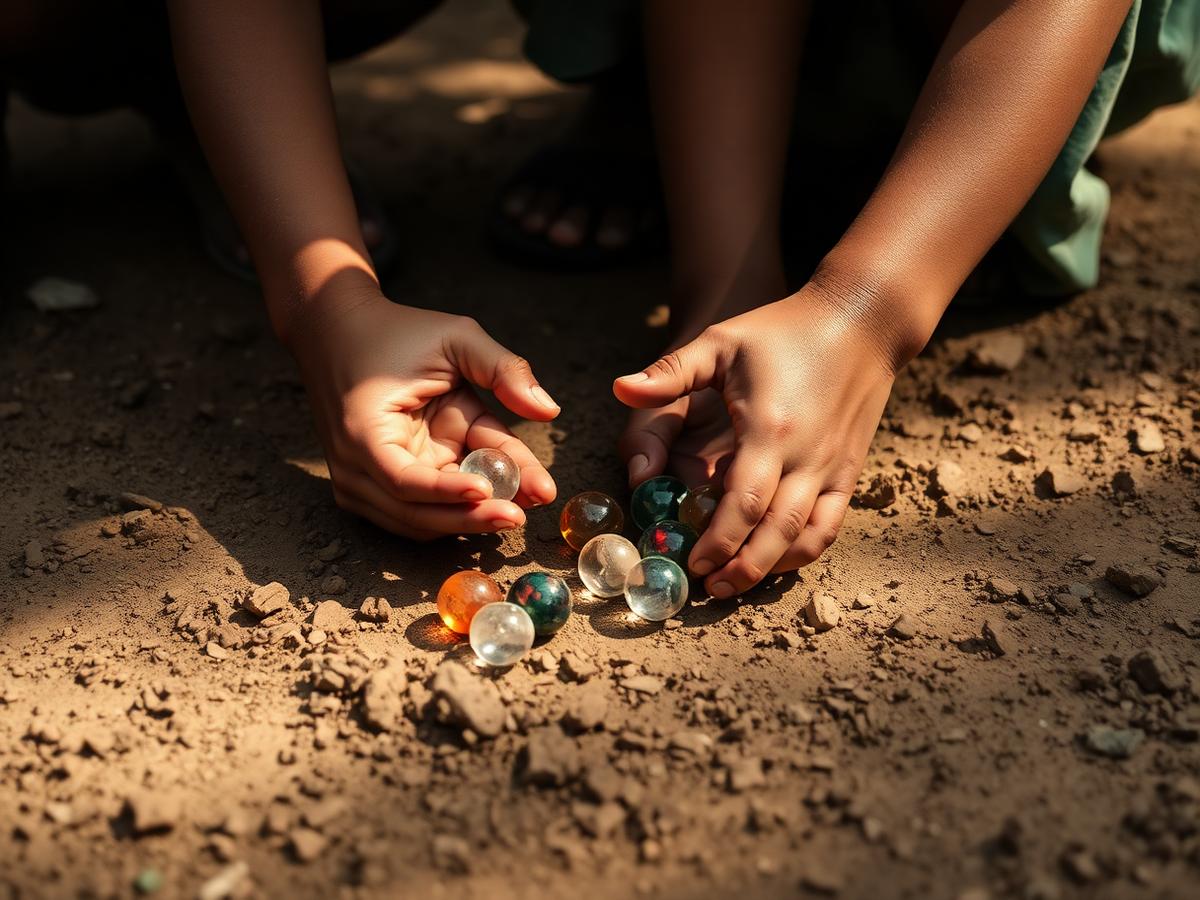
Five Stones
Asia, Europe and beyond
A family of traditional dexterity games played with small stones, seeds, shells or handmade pieces.
- Ages
- 7–14
- Players
- 1–6
- Setting
- Indoor
An initiative of the Living Play Heritage Foundation
Traditional games, songs, rhymes and playground customs have travelled from child to child for generations. Many were never written down, and many are now disappearing. Living Play is building a worldwide movement to document them, share them and return them to play.
On the importance of play
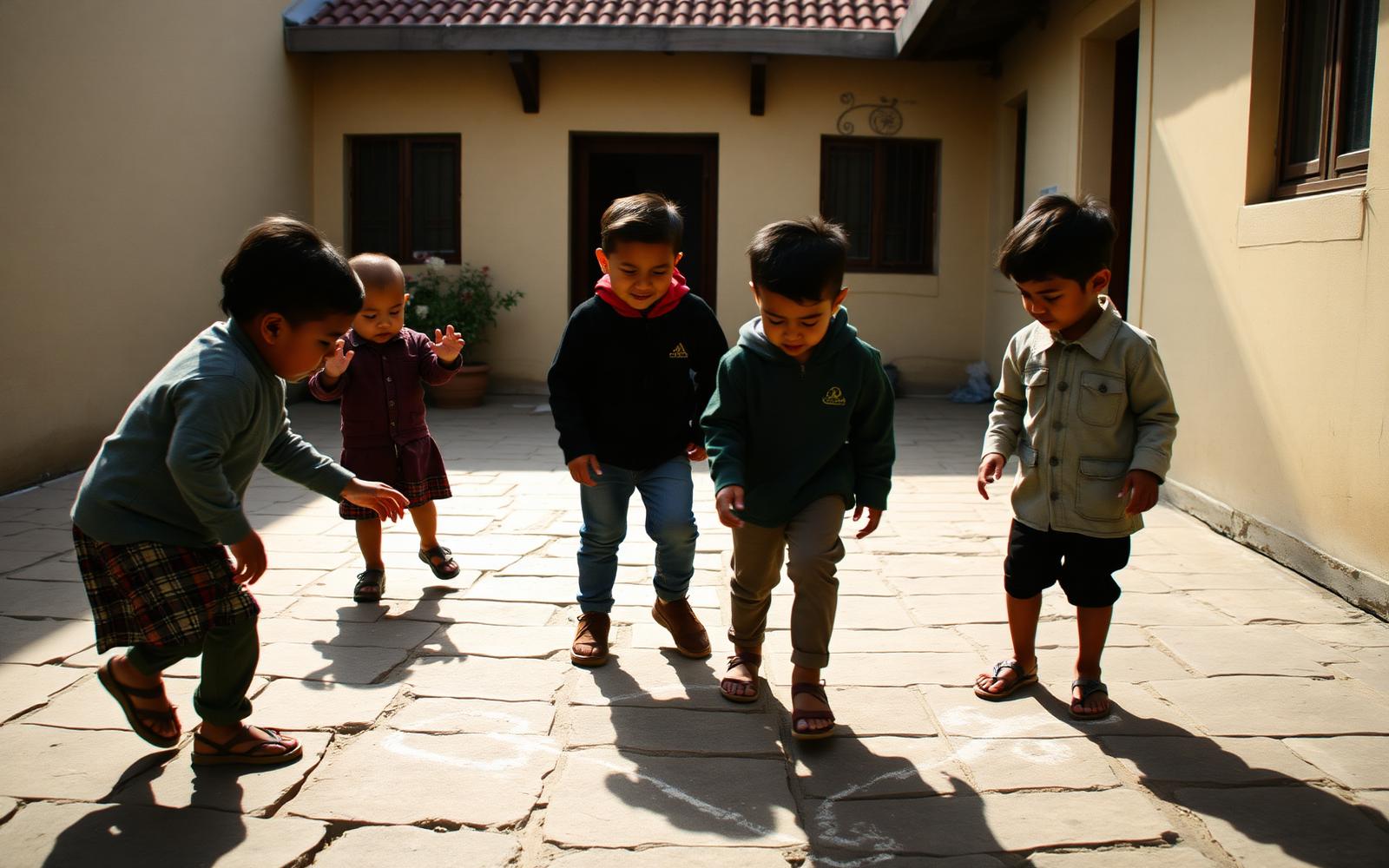
Play is one of humanity's oldest shared languages.
Long before children learned games from screens, books or organised programmes, they learned them from one another. A rhyme, rule, gesture or chalk pattern could travel across generations and borders simply because someone remembered it.
Living Play exists to help the world remember — and to ensure these traditions remain alive through play.
Why this matters
01
Many childhood games were transmitted orally from one generation to the next and were never formally recorded.
02
Games preserve language, rhythm, humour, movement, cooperation and local memory in ways nothing else can.
03
Young people can interview parents, grandparents, neighbours and community elders — and document what they hear.
04
A game survives most fully when another generation learns to play it, not when it is filed away.
What we preserve
The Living Play archive gathers the many small, everyday traditions that together form a community's culture of play.
Featured play traditions
Asia, Europe and beyond
A family of traditional dexterity games played with small stones, seeds, shells or handmade pieces.
Worldwide
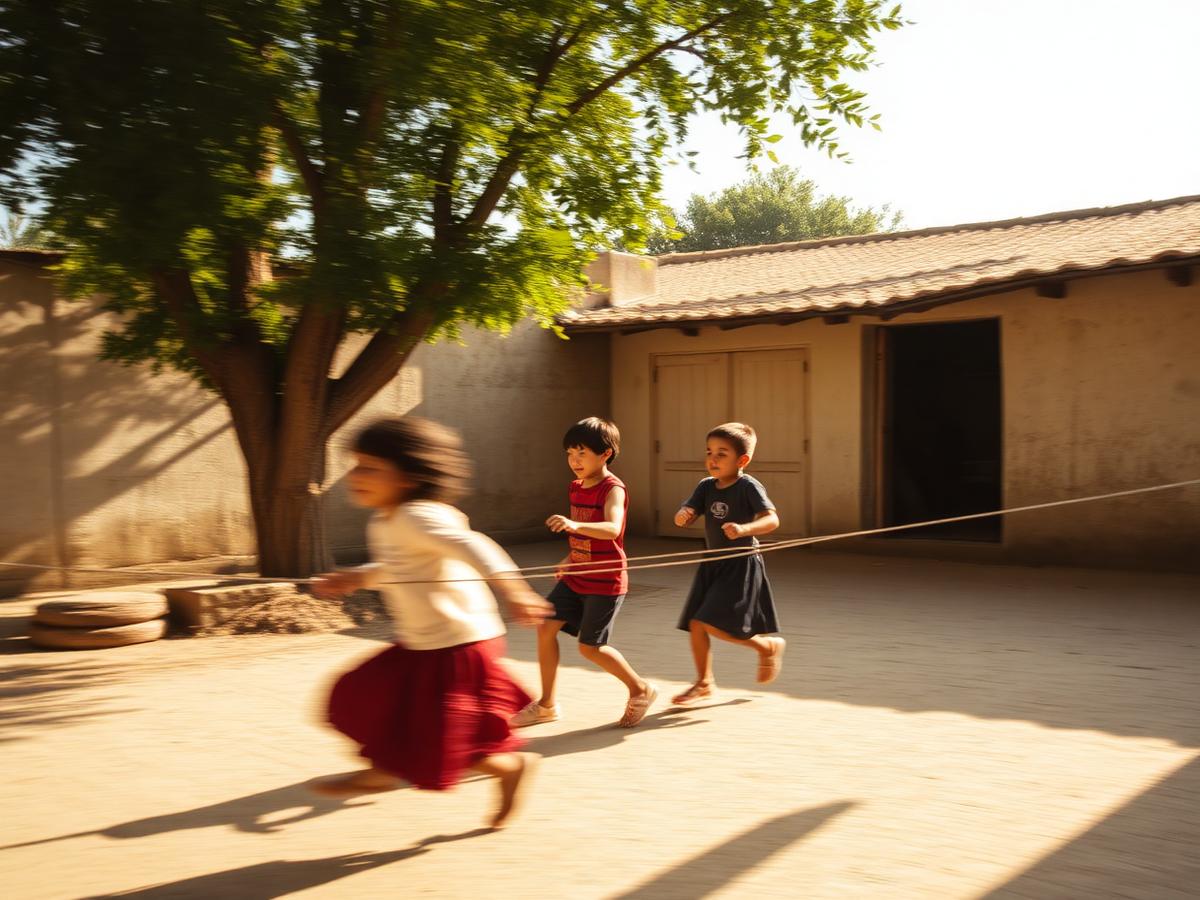
A jumping game with many regional layouts, names and rule variations.
Europe and Asia
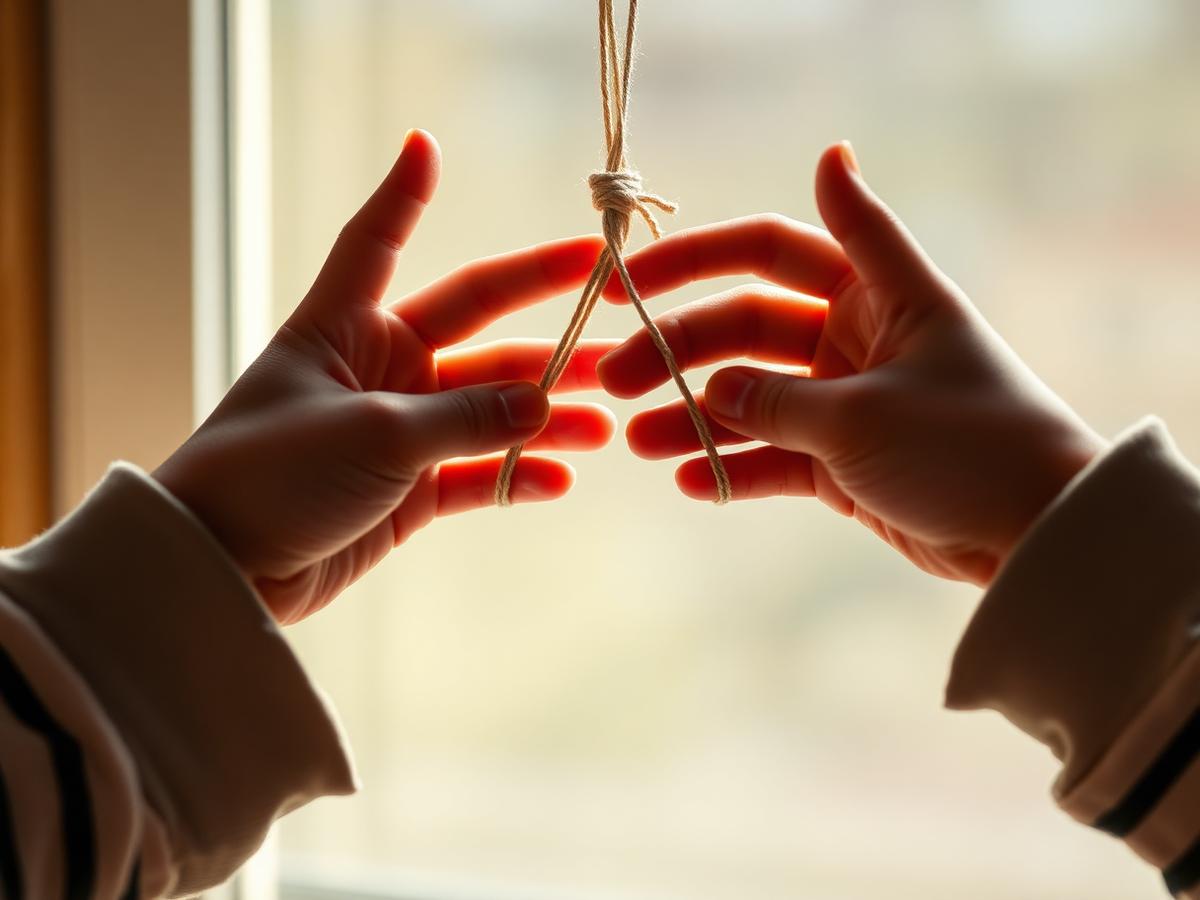
Players complete increasingly difficult jumping sequences while two others hold an elastic loop.
Worldwide
A sequence of string figures passed between players or made individually, often with regional names and stories.
Worldwide
Rhythmic clapping patterns performed with a partner or in circles, carrying songs, jokes and social commentary.
South Asia, Latin America, East Asia and beyond
A seasonal tradition in many regions, often tied to festivals, competitions and the making of the kite itself.
Global archive preview
Explore how children have played across countries, cultures and generations. As the Living Play archive grows, each location will reveal games, memories, recordings, regional variations and participating schools.
Sample markers · interactive map in development
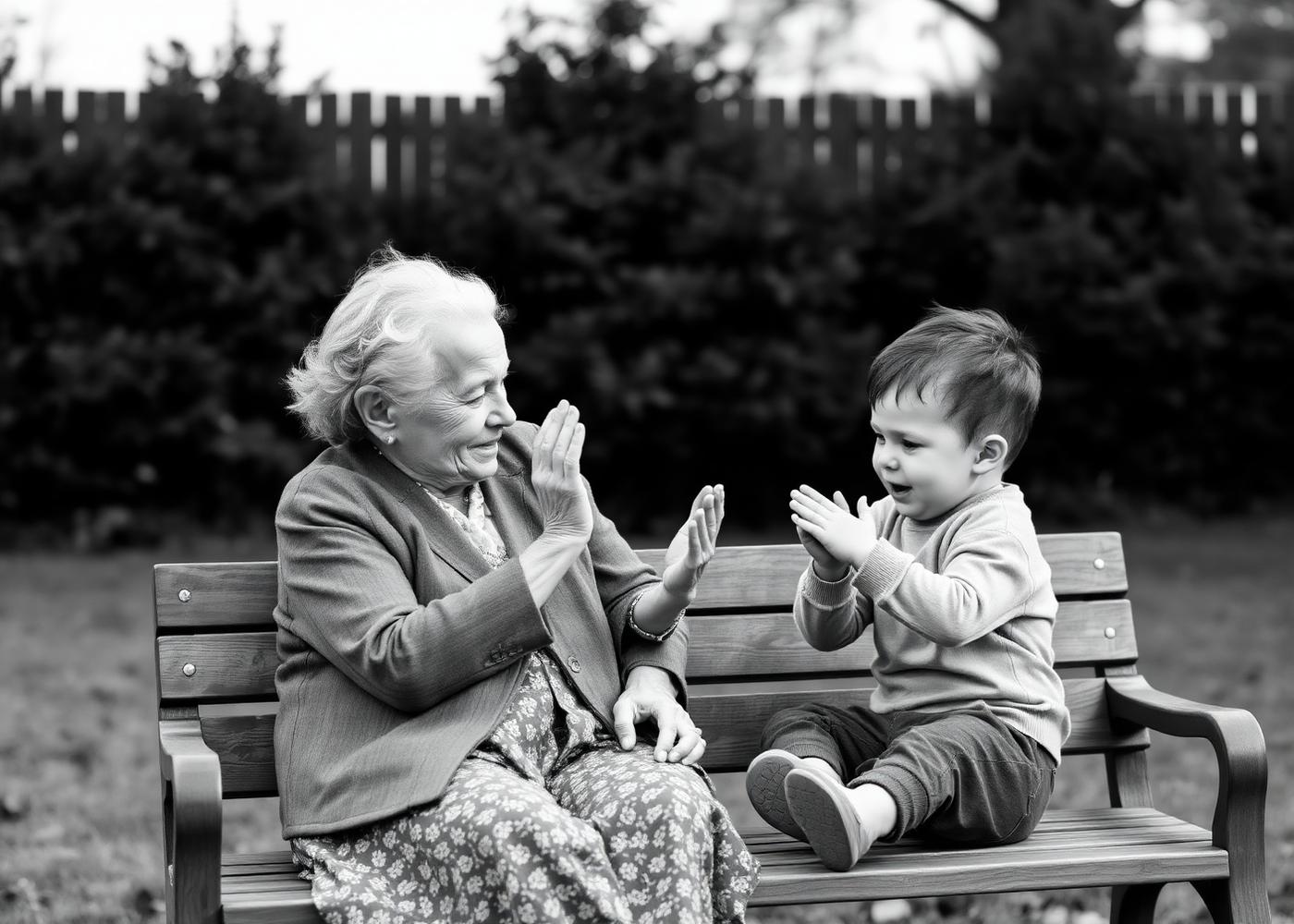
The emotional centre of Living Play
Every family and community carries memories of play. Ask a parent, grandparent, neighbour or elder what they played as a child. Their answer may preserve something that has never been written down.
Step 1
Ask
Interview someone about the games and play traditions they remember.
Step 2
Record
Write down the rules, words, gestures, memories and local variations.
Step 3
Share
Contribute the tradition so children elsewhere can learn and play it.
Schools Programme
Participating schools will be able to conduct intergenerational interviews, document local games, compare play across cultures and contribute to a shared global archive.
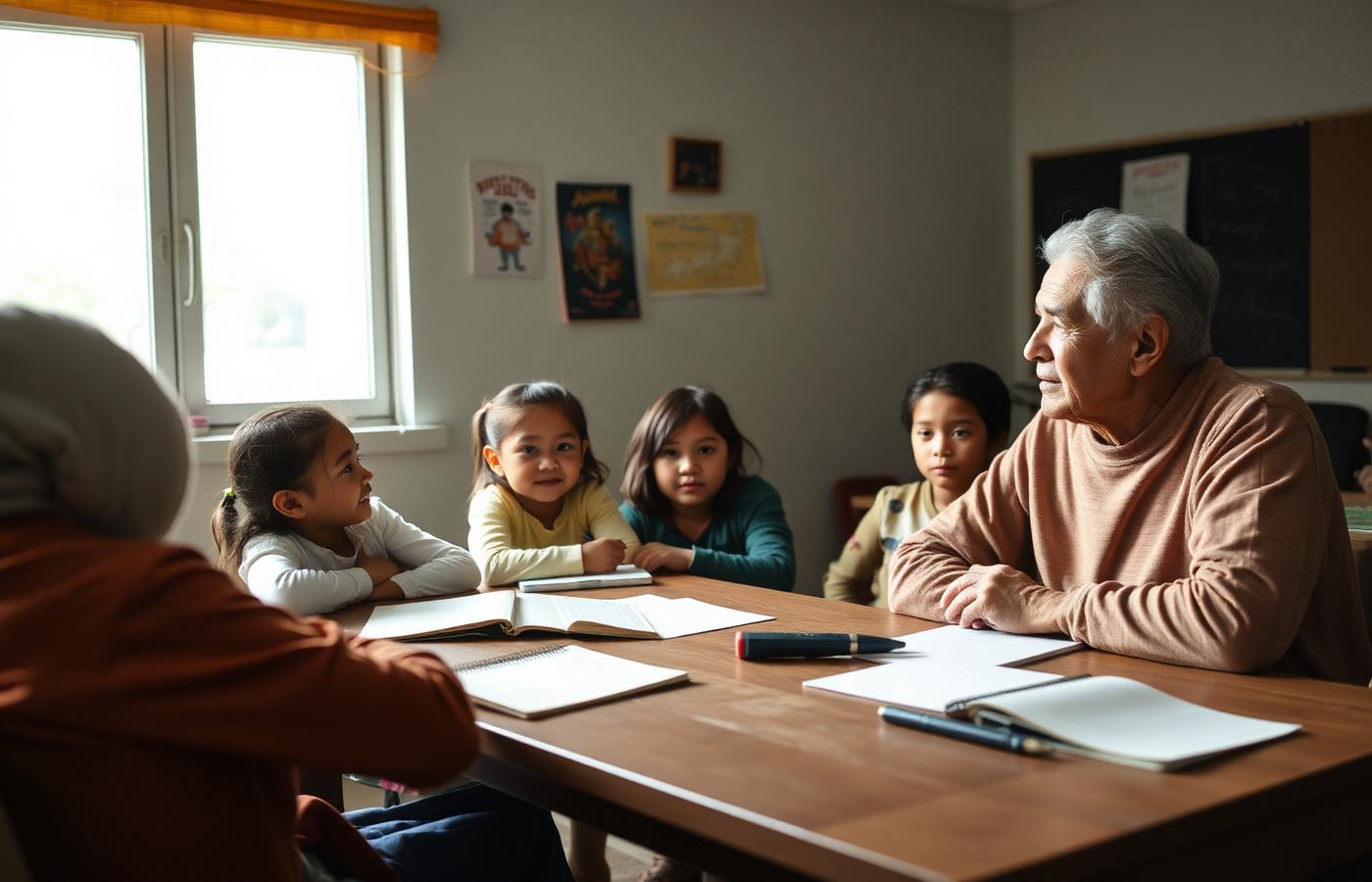
Research and cultural heritage
Partnership
We welcome collaboration from schools, universities, museums, archives, cultural centres, researchers, heritage organisations, municipalities, ministries, play organisations and international institutions.
Where Living Play stands today
Founding stage
The foundation is currently being formed.
Launching soon
The public archive will open with community records.
Open for participation
Schools and families can register interest today.
Prospective partners
Early conversations are underway with cultural bodies.
A quiet call to action
A childhood game can disappear in a generation — or travel into the future because someone took the time to remember it.